TWO LITTLE FISHIES Tlf Npx Bioplastics Polymer 748172422403 Li 200
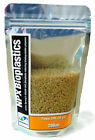
( Brand: Two Little Fishies ), ( Manufacturer Part Number: 2240 ), ( UPC: 748172422403 )
Review TWO LITTLE FISHIES Tlf Npx Bioplastics Polymer 200 Ml
The TFL NPX Bioplastics Polymer 200, product number 748172422403, is a remarkable eco-friendly alternative to traditional plastics. This bioplastic polymer, specifically the TFL NPX variant, is derived from renewable resources, making it an excellent choice for those seeking to reduce their carbon footprint.
The TFL NPX Bioplastics Polymer 200 boasts a unique blend of properties. It is highly flexible and adaptable, making it suitable for various applications. Its tensile strength and impact resistance are comparable to those of conventional plastics, ensuring durability and longevity.
One of the standout features of this bioplastic is its biodegradability. Unlike traditional plastics that take hundreds of years to decompose, the TFL NPX Bioplastics Polymer 200 breaks down naturally under specific environmental conditions, typically within a few years. This property makes it a sustainable option for applications where waste disposal is a concern.
The TFL NPX Bioplastics Polymer 200 is also heat resistant, with a melting point of around 180 C. This property allows it to be processed using conventional plastic manufacturing methods, making it a versatile choice for manufacturers.
In terms of appearance, the TFL NPX Bioplastics Polymer 200 has a translucent color and a smooth finish, allowing it to be used in applications where appearance is important. It can also be easily colored or printed on, providing designers with a wide range of options.
In conclusion, the TFL NPX Bioplastics Polymer 200 is a high-quality, eco-friendly alternative to traditional plastics. Its flexibility, durability, biodegradability, heat resistance, and versatility make it a suitable choice for a wide range of applications. Whether you're looking to reduce your carbon footprint or simply want a more sustainable option, the TFL NPX Bioplastics Polymer 200 is an excellent choice.
Product: TLF NPX Bioplastics Polymer 200 (Item No: 2240 Fishies 748172422403)
Pros:1. Eco-Friendly: The TLF NPX Bioplastics Polymer 200 is made from renewable resources, making it a more sustainable and environmentally friendly option compared to traditional plastics.
2. Durable: Despite being biodegradable, this bioplastic has excellent mechanical properties and can withstand various environmental conditions.
3. Versatile: This bioplastic can be used in various applications, such as packaging, consumer goods, and industrial applications.
4. Cost-Effective: Over time, the use of bioplastics can lead to cost savings, as biodegradable waste does not require disposal or landfilling.
Cons:1. Limited Availability: Bioplastics are not as widely available as traditional plastics, which may limit the options for manufacturers and consumers.
2. Higher Production Costs: Bioplastics are currently more expensive to produce than traditional plastics. However, as technology improves and production scales up, costs are expected to decrease.
3. Compatibility Issues: Not all bioplastics are compatible with traditional plastic recycling processes, which can complicate waste management.
4. Degradation Speed: While bioplastics are designed to degrade more quickly than traditional plastics, the degradation rate can vary depending on environmental conditions, which may lead to littering if not managed correctly.
Conclusion:The TLF NPX Bioplastics Polymer 200 is a promising alternative to traditional plastics, offering environmental benefits and good mechanical properties. However, it is currently more expensive and has limited availability, making it a more suitable option for companies and consumers committed to sustainability and willing to invest in eco-friendlier solutions. As technology advances and production scales up, we can expect the cost and availability of bioplastics to improve, making them a more viable alternative for a wider range of applications.
Recommendation:If you are looking for a more sustainable and eco-friendly plastic alternative, the TLF NPX Bioplastics Polymer 200 could be a good option for you. However, it is essential to consider the specific requirements of your application and whether the benefits outweigh the potential drawbacks. You may also want to research alternatives and compare their properties to find the best solution for your needs.
Details:
The use of npx bioplastics in marine aquariums must be accompanied by a protein skimmer to achieve export bacteria and assimilated nutrients.
For use in a fluidity reactor.
Number of servings. It is not necessary for the outlet of filter containing pellet's to be positioned near intake protein skimmer, but have a skimmer running on system.
Use with active 8 npx to promote rapid assimilation of nitrate in saltwater aquariums. Please initiate all contact with through.
Domestic shipping USA standard: us. The bacteria are also a food source for filter-feeding invertebrates such as corals, clams, sponges, and feather dusters.
Employ strong water circulation, aeration and or a surface skimming overflow in the aquarium to maintain high levels of oxygen saturation when using this product because influence it has on. The slow release of organic food from these plastics promotes development bacteria that assimilate nitrate and phosphate. All correspondence should be conducted on. Unit type: each npx bioplastics granular media made from biodegradable polymers.
Facts warnings Two Little Fishiest npx bioplastics polymer made from biodegradable polymers for use in a fluidity reactor caution: maintain sufficient water flow through to prevent production of hydrogen sulfide gas.
specifications fishpumpswater:
- brand: Two Little Fishies
- mpn: 2240
- upc: 748172422403
Ratings:
- all good 11-03-17
- great seller,super fast shipping a wonderful experience A 11-03-17
- A item came as described ! 11-03-17
- awsome plugs 11-03-17
- Thank you got the item, good seller 11-03-17
General fishpumpswater:
- in stock: Yes
- pet supplies > fish aquariums > aquarium pumps water
- condition: New
Seller fishpumpswater:
- zipcode: 17402
- city: York, Pennsylvania
Offer fishpumpswater:
- quantity: 5
- bids: 0
- best offer: false
- Started: November 3, 2017, 11:55 am
- Sold: 0
Payments fishpumpswater:
- PayPal
Shipping fishpumpswater:
- type: Flat
- cost: $4.99
- handling: 2 days
Returns fishpumpswater:
- type: Money back or exchange buyers choice
- time: 30 Days
- paid by: Buyer
- policy: returns accepted
Two Little Fishies 2240 Is Similar To:
- 1gallon 2pc Two Set Balance Fishies (45.9% similar) Warranty does not cover wear and tear or user damage...(December 15th, 2014)
- Fishies 2.65lbs 1200gm Bucket Two Phosban (27.5% similar) Warranty does not cover wear and tear or user damage. 65LBS bucket ISBN 1200GM...(January 13th, 2015)
- 2241 Two Little Fishies Tlf 748172422410 (88.6% similar) Employ strong water circulation, aeration and or a surface skimming overflow in the aquarium to maintain high levels of oxygen saturation when using this product because influence it has on. Domestic shipping USA standard: us. Please initiate all contact with through. Number of servings. For use in...(January 1st, 2018)
- 42182 Two Little Fishies Phosban 748172421826 (73.8% similar) 33 lb, includes a filter bag, and treats 150 gallons. 1,200 gram bulk size includes filter bag and treats up to gallons. Please initiate all contact with through lb 150SERVING size. Facts warnings contents: synthetic ferrous oxide hydroxide. Recommended by Julian sprung for long-lasting and easy ...(July 9th, 2017)
- 481501 Topdawg Pet Two Little 749447133130 (46.9% similar) 1-POUND calcium supplement mix. Two Little Fishiest also helps maintain pH. It also helps maintain pH, precipitates phosphates and enhances protein skimming. With over 99. Our pure source of calcium hydroxide makes the ideal solution for replenishing and maintaining alkalinity, corals, clams ...(September 9th, 2017)
- 748172462621 Two Little Fishies Atlcb2d (59% similar) USPS first-class. Get business information that counts. Two Little Fishies ATLCB2D c balance, 4-OUNCE the Two Little Fishies c-balance Two-part calcium and alkalinity maintenance system adjusts calcium, magnesium strontium ions to natural seawater ratios, achieves a balanced ionic residual...(May 13th, 2017)
- 748172465028 Two Little Fishies C-balance (57.5% similar) ...(June 13th, 2017)
- 748172507001 Two Little Fishies Accurasea Seawater (51.7% similar) Use it to accurately calibrate seawater and check the accuracy of swing-arm hydrometers. That's why we created accrues seawater reference solution, the only calibration solution of its kind made from real. Its pure natural seawater micron filtered and UV sterilized then adjusted with reverse ...(March 1st, 2017)
- 748172507247 Two Little Fishies Magfeeder Magnetic (53.9% similar) It can easily be positioned at various distances from the wall because of jointed links and magnetic mount attracted to tlf logo magnet, located outside aquarium. The entire wet assembly floats if it becomes uncoupled. Use mag feeder with the included feeder ring to retain pellet's, flake foods ...(March 9th, 2017)
- 748172601112 Two Little Fishies Megaveggiemag (54.8% similar) Safe for glass and acrylic, but one must prevent picking up sand or gravel that would scratch the aquarium. The clip assembly floats if it becomes uncoupled, and outer magnet has a special grip release polymer that holds on wall uncoupled. It can be easily positioned at any level and removed from ...(March 9th, 2017)
- Two Bactiv8 Nitrate Fishies Remover Npx Tlf Phosphate 250ml Aquarium (37.4% similar) Please directly for a specific quote. This is one bottle only in 250ML size. Please accept delivery of package regardless of the apparent condition of the outer packaging. Use BACTIV8 npx to enhance nitrification and denitrification, and to promote the decomposition of organic waste in heavily ...(December 3rd, 2014)